
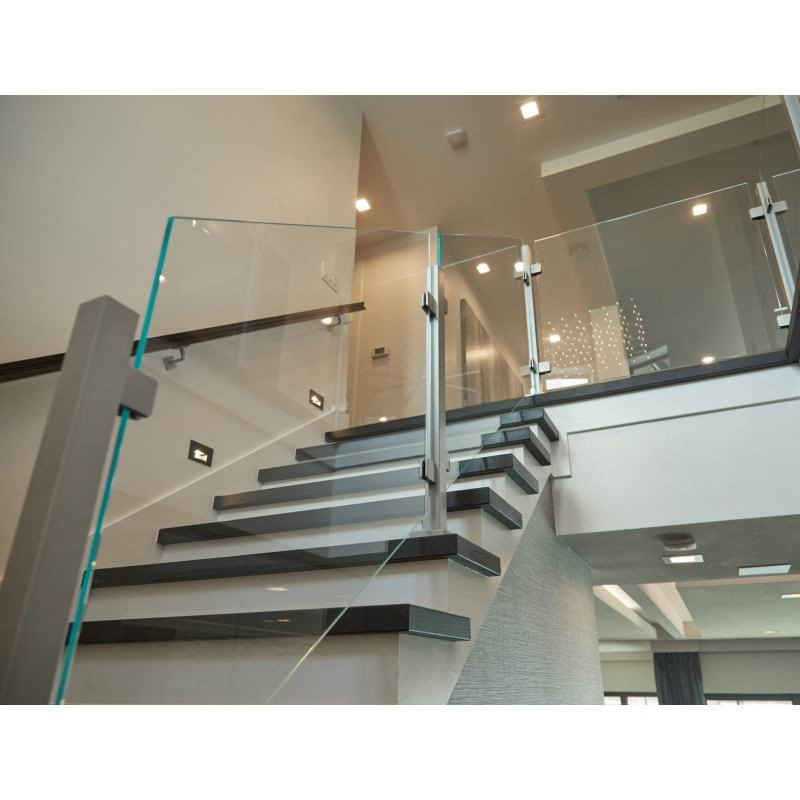
Glass railings typically cost between $150 and $600 per linear foot installed, with most residential projects ranging from $2,000 to $15,000 depending on design, glass thickness, hardware, and installation requirements. Premium frameless glass railing systems and custom installations can exceed $50,000, offering modern aesthetics, unobstructed views, long-term durability, and increased property value.
Glass railings have become one of the most sought-after architectural features in modern residential and commercial properties. Their sleek appearance, unobstructed views, durability, and ability to enhance natural light make them a premium choice for homeowners looking to upgrade their spaces. Whether installed on a staircase, balcony, deck, patio, pool area, or terrace, glass railings create a sophisticated and contemporary aesthetic that can significantly improve property value.
Average Cost of Glass Railings
In the United States, glass railing systems generally cost between $150 and $600 per linear foot installed.
Most homeowners spend:
- Basic Glass Railings: $150–$250 per linear foot
- Mid-Range Glass Railings: $250–$400 per linear foot
- Premium Frameless Glass Railings: $400–$600+ per linear foot
For a typical residential project, total costs often range from:
- Small Staircase: $2,000–$5,000
- Balcony Railing: $3,000–$8,000
- Deck Railing: $5,000–$15,000+
- Luxury Custom Installation: $15,000–$50,000+
The final cost depends largely on design complexity and material selections.
Why Glass Railings Cost More Than Traditional Railings
Many homeowners compare glass railings to traditional wood or metal systems and notice a higher price point.
The increased cost comes from several factors:
- Tempered safety glass
- Precision manufacturing
- Specialized hardware
- Custom fabrication
- Professional installation
- Structural engineering requirements
These elements contribute to superior durability, safety, and aesthetics.
Types of Glass Railing Systems
The type of railing system selected significantly impacts pricing.
Framed Glass Railings
Framed systems use metal posts and rails to support glass panels.
Benefits include:
- Lower cost
- Strong support structure
- Easier installation
- Wide design flexibility
Average Cost:
$150–$300 per linear foot installed
These systems are popular for homeowners seeking a balance between appearance and affordability.
Semi-Frameless Glass Railings
Semi-frameless systems reduce visible framing while maintaining structural support.
Advantages include:
- Modern appearance
- Enhanced visibility
- Greater design flexibility
- Lower cost than fully frameless systems
Average Cost:
$250–$400 per linear foot installed
This option is often selected for upscale residential applications.
Frameless Glass Railings
Frameless railings provide the most luxurious and contemporary appearance.
Benefits include:
- Unobstructed views
- Minimal hardware visibility
- Premium aesthetics
- Increased property appeal
Average Cost:
$400–$600+ per linear foot installed
These systems are frequently used in luxury homes, waterfront properties, and modern architectural designs.
Glass Thickness and Its Impact on Cost
Glass thickness directly affects pricing.
Common options include:
3/8-Inch Glass
Typically used for smaller residential applications.
Advantages:
- Lower cost
- Lightweight construction
1/2-Inch Glass
One of the most popular choices for residential glass railings.
Benefits:
- Enhanced durability
- Improved appearance
- Greater structural stability
3/4-Inch Glass
Often used in premium frameless systems.
Advantages:
- Maximum strength
- Luxury appearance
- Superior performance
Thicker glass generally increases both material and installation costs.
Glass Types and Pricing
Different glass options can significantly influence overall project expenses.
Clear Glass
Clear glass remains the most common and affordable option.
Benefits:
- Maximum visibility
- Timeless appearance
- Broad availability
Frosted Glass
Frosted glass provides additional privacy.
Benefits:
- Decorative appeal
- Reduced visibility
- Modern style
Additional Cost:
10–30% higher than clear glass
Tinted Glass
Tinted glass adds visual interest and glare reduction.
Benefits:
- Unique appearance
- UV protection
- Enhanced aesthetics
Additional Cost:
15–40% higher than clear glass
Low-Iron Glass
Low-iron glass offers exceptional clarity.
Benefits:
- Crystal-clear appearance
- Reduced green tint
- Luxury aesthetic
Additional Cost:
20–50% higher than standard glass
Hardware and Mounting Systems
Hardware selection plays a major role in overall project costs.
Stainless Steel Hardware
One of the most popular choices.
Benefits:
- Corrosion resistance
- Modern appearance
- Long lifespan
Aluminum Hardware
Offers a lightweight and budget-friendly option.
Benefits:
- Cost-effective
- Rust resistant
- Easy maintenance
Custom Architectural Hardware
Used in luxury installations.
Benefits:
- Unique appearance
- High-end finishes
- Enhanced design flexibility
Premium hardware increases both material and labor expenses.
Glass Railing Cost by Application
Different project types require varying amounts of materials and labor.
Staircase Glass Railings
Glass stair railings are popular in contemporary homes.
Average Cost:
$2,000–$10,000+
Factors affecting price:
- Stair length
- Number of panels
- Hardware selection
- Custom angles
Balcony Glass Railings
Balcony systems enhance safety while preserving views.
Average Cost:
$3,000–$8,000+
Pricing depends on balcony size and installation requirements.
Deck Glass Railings
Deck railings remain one of the most common residential applications.
Average Cost:
$5,000–$15,000+
Factors include:
- Deck dimensions
- Glass panel size
- Exposure to weather
Pool Glass Fencing
Glass fencing creates a safe and elegant pool environment.
Average Cost:
$7,000–$20,000+
Pool projects often require specialized safety compliance.
Labor Costs for Glass Railing Installation
Professional installation is essential for safety and code compliance.
Typical labor costs range from:
- $50–$150 per hour
- $50–$200 per linear foot
Factors influencing labor expenses include:
- Project complexity
- Accessibility
- Structural modifications
- Custom fabrication requirements
Professional installation helps ensure proper alignment and long-term performance.
Custom Glass Railing Costs
Custom railings generally cost more than standard systems.
Common customizations include:
- Curved glass panels
- Specialty finishes
- Unique dimensions
- Decorative glass treatments
- Custom hardware
Custom projects can increase overall costs by 20–100% or more.
However, they allow homeowners to create truly personalized designs.
Indoor vs Outdoor Glass Railings
Installation location affects pricing.
Indoor Glass Railings
Indoor systems often experience less environmental exposure.
Benefits:
- Reduced maintenance
- Simpler installation
Average Cost:
$150–$400 per linear foot
Outdoor Glass Railings
Outdoor systems require weather-resistant materials.
Benefits:
- Enhanced curb appeal
- Improved views
- Increased property value
Average Cost:
$250–$600+ per linear foot
Additional weatherproofing requirements may increase expenses.
Factors That Affect Glass Railing Costs
Several key variables influence final pricing.
Project Size
Larger projects require:
- More glass
- Additional hardware
- Increased labor
Installation Complexity
Complex layouts often involve:
- Custom cuts
- Angled panels
- Structural modifications
Building Codes
Code requirements may affect:
- Glass thickness
- Hardware specifications
- Structural support systems
Geographic Location
Labor and material costs vary significantly by region.
Urban areas often experience higher installation costs.
Benefits of Investing in Glass Railings
Although glass railings cost more than traditional alternatives, they offer substantial long-term value.
Enhanced Property Value
Modern glass railings increase perceived luxury and curb appeal.
Unobstructed Views
Glass railings maximize visibility and natural light.
Durability
Tempered safety glass provides exceptional strength.
Low Maintenance
Unlike wood railings, glass does not require staining or painting.
Contemporary Appearance
Glass railings complement modern architectural styles.
How to Save Money on Glass Railings
Homeowners can reduce costs by:
Comparing Multiple Quotes
Obtain estimates from several contractors.
Choosing Standard Glass Sizes
Custom panels increase fabrication costs.
Limiting Specialty Features
Excessive customization can significantly increase expenses.
Planning During Construction
Installing glass railings during larger renovation projects may reduce labor costs.
Are Glass Railings Worth the Cost?
For many homeowners, the answer is yes.
Glass railings provide:
- Premium aesthetics
- Long-term durability
- Improved views
- Increased home value
- Modern design appeal
While the initial investment may be higher, the benefits often justify the cost.
Companies such as M&N Frameless Shower Doors LLC understand the value of precision glass craftsmanship and premium architectural glass solutions that combine beauty, safety, and durability.
Final Thoughts
So, how much are glass railings? Most homeowners can expect to pay between $150 and $600 per linear foot installed, depending on the railing style, glass type, hardware selection, and project complexity. Smaller projects may cost a few thousand dollars, while luxury custom installations can exceed $50,000.
Understanding the factors that influence pricing allows homeowners to create realistic budgets and make informed decisions. Whether you’re upgrading a staircase, deck, balcony, or pool area, glass railings offer a timeless combination of elegance, safety, and long-term value that can transform any property.
Frequently Asked Questions
Most glass railings cost between $150 and $600 per linear foot installed, depending on the design, materials, and installation requirements.
Yes. Frameless glass railings are generally the most expensive option because they require thicker glass, specialized hardware, and precise installation.
Yes. Glass railings are considered a premium architectural feature that can improve aesthetics, enhance views, and increase property value.
No. Glass railings require routine cleaning but do not need staining, painting, or extensive maintenance like traditional wood railings.
High-quality tempered glass railings can last for decades when properly installed and maintained, making them a durable long-term investment.


